Japanese Whisky for Wine Drinkers: 8 Bottles That Bridge the Gap
Quick Takeaway
- Start here: Hibiki Japanese Harmony for aromatic white wine lovers, Yamazaki Distiller’s Reserve for red wine lovers. Both are smooth, fruity, and approachable.
- The wine cask connection: Several Japanese whiskies use Bordeaux, sherry, and wine casks that create flavors wine drinkers already know: dried fruit, tannins, berry sweetness, and oak spice.
- Shared language: You already know how to taste whisky. Nose, palate, finish, body, tannins, terroir: it is the same vocabulary.
- Budget pick: Iwai Tradition at entry level pricing uses bourbon and sherry cask maturation and tastes like toffee, vanilla, and light sherry sweetness.
- Serve it like wine: Room temperature, a proper glass (Glencairn or wine glass works), and a few drops of water to open the aromas.
Why Wine Drinkers Take to Japanese Whisky
Wine and Japanese whisky share more DNA than you might expect. Both cultures obsess over terroir, the influence of wood on flavor, and the balance between fruit and structure. Japanese distillers talk about water sources, elevation, and seasonal temperature swings the same way winemakers discuss soil composition and microclimate.
The crossover is also literal. Many Japanese whiskies spend time in casks that previously held wine: Bordeaux, sherry, port, and even local Japanese wines. These casks carry residual flavors, grape tannins, dried fruit, and berry sweetness, directly into the whisky.
If you can describe a wine’s nose, identify tannins on the palate, and appreciate a long finish, you already have the toolkit. The only new variable is alcohol strength, and Japanese whisky has elegant solutions for that too.
For White Wine and Rosé Drinkers
If you gravitate toward Sauvignon Blanc, Albariño, Riesling, or dry rosé, you want Japanese whiskies that are fresh, herbal, citrus forward, and light bodied.
Hakushu Distiller’s Reserve

Suntory
Hakushu Distiller's Reserve
This is where Sauvignon Blanc drinkers will feel at home. Hakushu Distiller’s Reserve comes from Suntory’s highland forest distillery at roughly 700 meters elevation in Yamanashi Prefecture, on the slopes of the Southern Japanese Alps. The whisky is fresh and green: mint, cucumber, green apple, and a wisp of smoke that reads like the mineral edge on a good Pouilly-Fumé.
Nose: Fresh mint, green apple, cucumber, light smoke Palate: Crisp and herbal with yuzu citrus, white peach, gentle smoke Finish: Clean and refreshing with lingering herbal notes
43% ABV | Mid range | JSLMA compliant
Wine parallel: Loire Valley Sauvignon Blanc, Albariño, Grüner Veltliner
Miyagikyo Single Malt

Nikka
Miyagikyo Single Malt
For Riesling and white Burgundy drinkers, Miyagikyo Single Malt is a revelation. Nikka’s Miyagikyo distillery sits in a mountain valley where two rivers meet, and the whisky mirrors that setting: elegant, floral, and fruit driven with sherry sweetness underneath.
Nose: Floral, green apple, pear, honey, hint of sherry Palate: Orchard fruits, dried apricot, vanilla, delicate nuttiness Finish: Gentle and refined with lingering fruit and light oak
45% ABV | Mid range | JSLMA compliant
Wine parallel: Off dry Riesling, white Burgundy, Viognier
Also consider Suntory Toki and The Chita Single Grain as lighter, more affordable alternatives that work in highball serves (the Japanese version of a wine spritzer, essentially).
For Full Bodied Red Wine Drinkers
If you reach for Cabernet Sauvignon, Merlot, Malbec, or Barolo, you want body, dark fruit, tannin structure, and oak complexity.
Yamazaki Distiller’s Reserve

Suntory
Yamazaki Distiller's Reserve
This is the most direct wine to whisky bridge in the Japanese whisky world. Yamazaki Distiller’s Reserve includes components aged in Bordeaux wine casks, and those casks do exactly what you would expect: they contribute red berry sweetness, wine tannins, and a fruit forward character that Cabernet drinkers will immediately recognize.
Nose: Strawberry, cherry, raspberry jam, vanilla, floral hints Palate: Red berries, baking spices, toffee, cinnamon Finish: Lingering berry sweetness and gentle spice
43% ABV | Mid range | JSLMA compliant
Wine parallel: Right Bank Bordeaux, ripe Merlot, fruit forward Napa Cabernet
Hibiki Japanese Harmony

Suntory
Hibiki Japanese Harmony
Hibiki Japanese Harmony is Suntory’s signature blend and the bottle most often recommended for new whisky drinkers, regardless of their background. For wine drinkers specifically, the rose and lychee aromatics on the nose behave like an aromatic red (think Gewürztraminer or a perfumed Pinot Noir), while the palate delivers honey, candied orange, and a silky texture that has more in common with a polished Burgundy than a typical whisky.
Nose: Rose, lychee, light orange peel, hint of rosemary Palate: Honey, candied orange, white chocolate, gentle woodiness Finish: Subtle sweetness with a touch of Mizunara oak spice
43% ABV | Mid range | JSLMA compliant
Wine parallel: Grand Cru Burgundy, aged Barolo, aromatic Gewürztraminer
For Sherry and Dessert Wine Lovers
If you love Oloroso sherry, tawny port, Sauternes, or vin santo, you want dried fruit, raisin, fig, caramel, and rich wood influence.
Yamazaki 12

Suntory
Yamazaki 12 Year Old
Yamazaki 12 is aged partly in Spanish oak casks that give it a dried fruit, tannin, and spice character that sherry drinkers will recognize immediately. It is a premium bottle, but the complexity justifies the price for someone who appreciates what extended wood contact does to a drink.
Nose: Pineapple, peach, grapefruit, candied orange, vanilla, oak Palate: Coconut, butter, cranberries, smooth Mizunara oak sandalwood Finish: Sweet ginger, cinnamon, fading into gentle oak
43% ABV | Premium | JSLMA compliant
Wine parallel: Amontillado sherry, aged tawny port, Sauternes
Ontake Single Malt (Hidden Gem)
Nishi Shuzo (Ontake)
Ontake Single Malt
This is the bottle most wine drinkers have never heard of that they should try first. Ontake Single Malt from Nishi Shuzo in Kagoshima is matured entirely in Solera Oloroso sherry casks, the same system used to age actual sherry. The result is a whisky that tastes like liquid fruitcake: dried apricots, stewed prunes, caramelized apples, and a sweet, lingering finish.
Nose: Dried apricots, caramelized apples, stewed prunes, sweet fruit Palate: Rich harmony of dried fruit, oak vanilla, fruitcake, full bodied Finish: Smooth, long lasting with lingering dried fruit sweetness
43% ABV | Premium | JSLMA compliant
Wine parallel: Oloroso sherry, PX sherry, vin santo, tawny port
If you can find it, Hibiki Blender’s Choice takes the Harmony profile and adds wine cask influence: rose, wine tannins, and deeper dried fruit notes. Premium pricing, but the closest thing to drinking a great Amarone through the lens of Japanese whisky.
The Budget Entry Point
Iwai Tradition

Hombo Shuzo (Mars)
Iwai Tradition
Iwai Tradition from Hombo Shuzo (the Mars whisky family) is one of the most affordable and approachable Japanese whiskies available. It uses a combination of bourbon barrels and sherry casks, and the result is gentle and inviting: honey, caramel, vanilla, and a light fruit sweetness with mild oak. The sherry cask influence gives it a familiar dried fruit sweetness that wine drinkers will appreciate.
For wine drinkers testing whether they enjoy whisky at all, this is the low risk starting point. At entry level pricing, it costs less than a good bottle of wine.
Nose: Honey, caramel, vanilla, cereal, mild fruitiness Palate: Toffee, vanilla, light fruit, cereal sweetness, mild oak Finish: Medium, clean, lingering vanilla and hint of spice
40% ABV | Entry level | JSLMA compliant
Wine Cask Japanese Whiskies to Watch
The use of wine casks in Japanese whisky is expanding rapidly. Several craft distilleries are experimenting with local and international wine barrels:
- Sakurao Single Malt from Hiroshima incorporates wine cask components, adding floral and citrus notes with a coastal character
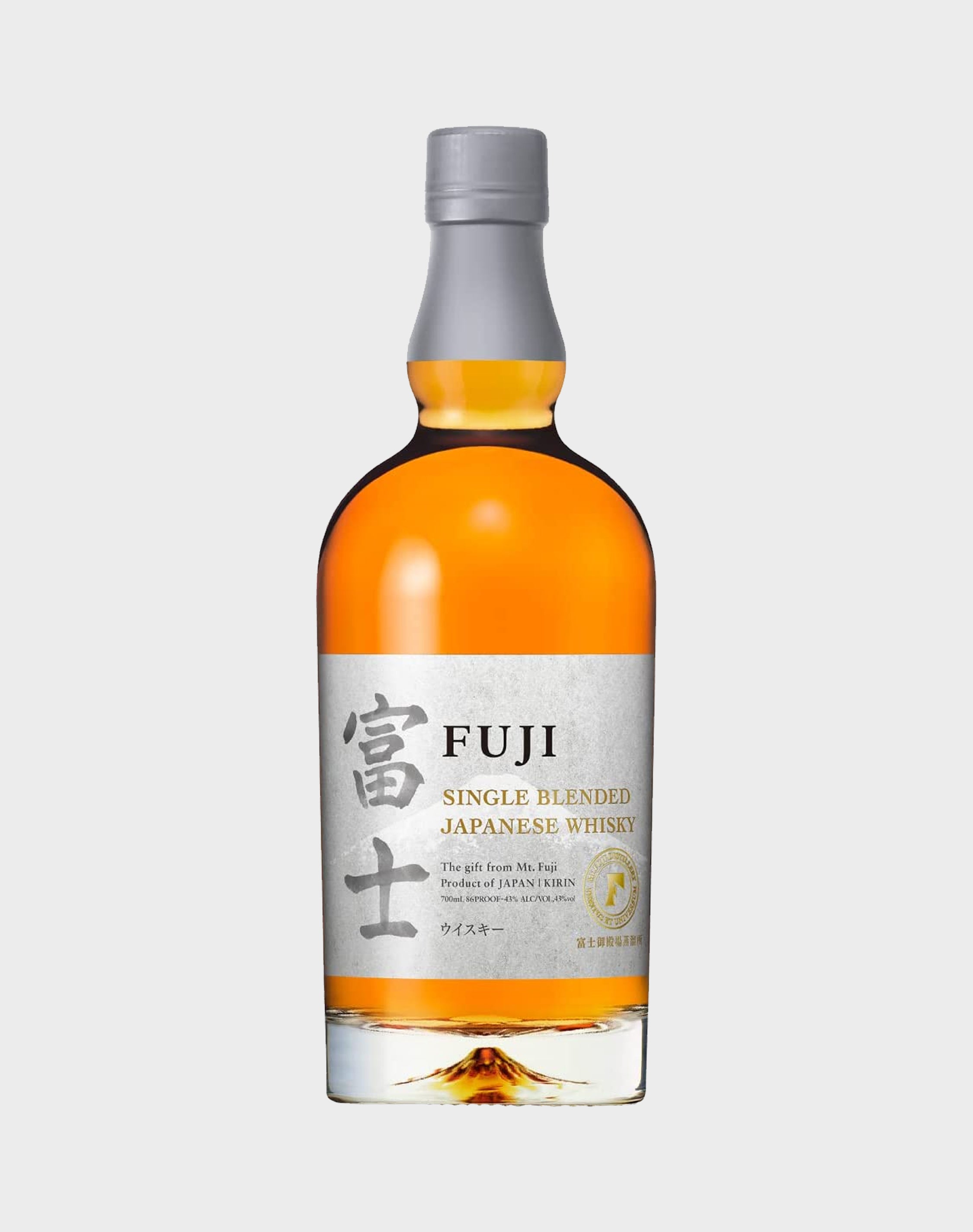
- Fuji Single Blended from Kirin uses ex-wine and ex-sherry casks alongside bourbon barrels for a silky, layered profile
- Kanosuke Single Malt from Kagoshima has released wine cask and apple brandy cask limited editions
- Mars Komagatake Limited Edition 2024 blends bourbon, sherry, and wine cask components for a berry and toffee forward single malt
These are worth seeking out at whisky bars in Japan, where you can try a pour without committing to a full bottle.

Chugoku Jozo
Sakurao Single Malt
Kirin
Fuji Single Blended Japanese Whisky

Komasa Jyozo (Kanosuke)
Kanosuke Single Malt
The Vocabulary You Already Know
Wine and whisky share most of their tasting language. Here is a quick translation guide:
| Wine Term | Whisky Equivalent | Example |
|---|---|---|
| Nose / Bouquet | Nose | Swirl the glass, smell before tasting |
| Palate | Palate | Primary flavors on the tongue |
| Finish / Length | Finish | How long flavors linger |
| Body (light/medium/full) | Body | Same scale, same meaning |
| Tannins | Tannins / Oak | From wood contact, not grape skins |
| Terroir | Terroir | Water source, climate, elevation |
| Cuvée / Blend | Blend / Vatting | Multiple components married together |
| Vintage | Age statement | Years of maturation (if stated) |
The biggest shift is where complexity comes from. In wine, grape variety, fermentation, and soil drive flavor. In whisky, grain, distillation, and cask type do the same work. The oak barrel in whisky plays a role comparable to terroir and aging vessel combined. For a deeper dive into this vocabulary, see our tasting notes guide.
How to Serve Whisky Like Wine
Wine drinkers already know how to approach a tasting. Apply the same ritual:
Glassware. A Glencairn glass concentrates aromas the way a wine glass does. A tulip shaped wine glass works perfectly well too. Skip the tumbler for tasting; save it for cocktails.
Temperature. Room temperature, just like red wine. Never refrigerate whisky before tasting (chilling mutes aromas exactly the way it does with wine).
Add water. This is the whisky equivalent of decanting. A few drops of room temperature water open up aromas and soften the alcohol. Start with 3 to 5 drops and adjust.
Mizuwari. The Japanese serve called mizuwari (one part whisky, two to three parts chilled still water, stirred gently over ice) brings the ABV down to around 12 to 15 percent, which is wine territory. This is how most people in Japan drink whisky with dinner. Think of it as the whisky equivalent of having a glass of wine with a meal.
A Note on JSLMA Compliance
Every bottle recommended in this article meets JSLMA (Japan Spirits & Liqueurs Makers Association) standards for Japanese whisky, meaning the whisky was distilled, aged, and bottled in Japan using approved methods. The one exception is Nikka From The Barrel, which is mentioned only as a comparison reference. It contains imported Scottish malt from Ben Nevis distillery and does not qualify under JSLMA standards despite being an excellent whisky.
This matters because some bottles marketed as “Japanese whisky” contain imported bulk whisky. If you are paying a premium for Japanese craftsmanship, JSLMA compliance is the verification. Our guide to spotting non-compliant bottles covers this in detail.
FAQ
What Japanese whisky is best for wine drinkers?
Hibiki Japanese Harmony and Yamazaki Distiller’s Reserve are the two best starting points. Hibiki offers rose, lychee, and honey notes that map to aromatic whites, while Yamazaki DR uses Bordeaux wine casks that give it familiar red berry and tannin character.
Are there Japanese whiskies aged in wine casks?
Yes. Yamazaki Distiller’s Reserve uses Bordeaux wine casks, Hibiki Blender’s Choice includes wine cask aged components, and Sakurao Single Malt incorporates wine barrels. Iwai Tradition uses bourbon and sherry cask maturation, giving it a familiar dried fruit sweetness. Several craft distilleries like Kanosuke and Mars also release wine cask finished expressions.
What is the difference between whisky tasting notes and wine tasting notes?
The vocabulary overlaps heavily. Both use nose (aroma), palate (taste), and finish (aftertaste). Both discuss body, tannins, and terroir. The main difference is that whisky picks up more vanilla, caramel, and spice from oak aging, while wine gets its complexity from grape variety and fermentation.
Do you add water to Japanese whisky like wine?
Yes. Adding a few drops of water to Japanese whisky opens up aromas and softens alcohol, similar to how swirling aerates wine. The Japanese mizuwari method (whisky with still water and ice) produces a long, gentle drink at wine-like ABV levels around 12 to 15 percent.
Is Japanese whisky smooth enough for someone who only drinks wine?
Many Japanese whiskies are among the smoothest in the world. Start with lower ABV options like Hibiki Harmony or Suntory Toki at 43%, both served with a splash of water. The mizuwari serve (one part whisky, two to three parts water) brings the strength down to wine territory.